

Buried in Clutter? Here’s How to Explicitly Get & Receive Meaningful Help
Buried in clutter? It can lead people to feel stuck and at a loss of how to course-correct.
This blog post is written with TLC and it may be helpful if
you’re worried your loved ones will railroad your autonomy, your choices
you are terrified of judgment for the state of your home.
you have had negative experiences being pressured to “just get rid of it”
you want to move forward but lack the financial resources to hire a professional organizer
Decluttering is truly an empowering process and the people who love you WANT to help; they just don’t know how. Or they only know the way that works for them.
But I’m here to tell you that you can get the help you need and still lead the decisions. You can do this in a way in which you remain in control and allow your loved ones support the process with concrete, explicit roles.
Invite Support—Release the Shame
Let go of the belief that you should be able to do this alone. (I hear that all the time.) Many of us carry shame about the state of our homes, which can make it uncomfortable to let someone see the mess or the overwhelm behind it. But decluttering doesn’t have to be a solo mission. Allowing a trusted loved one to help can lighten the mental load and make the process feel more manageable.
Choose someone who genuinely cares about your well-being and is patient, supportive, and ready to follow your lead. Meaningful help feels respectful, collaborative, and empowering.
Establish Clear Boundaries
Support works best when expectations are clear. Before you begin, communicate what kind of help you want—and what you don’t:
“I need to share stories of some items from my past; will you listen as I talk through the memories?”
“I’m not ready to make decisions yet. Right now I just want to group similar items together.” (examples: kitchen appliances, shoes, fall decor, makeup)
“Please don’t discard anything without asking me first.”
“I need encouragement, not commentary about how much stuff I have.”
“You can help take items for donation, but I do not consent to photographs of my house, and I do not want you to tell X about my home.”
“I am only up for an hour or two at most of decluttering.”
Setting boundaries creates a foundation of trust, which makes it much easier to accept help.

Assign Neutral Roles
Sometimes loved ones want to help—but aren’t sure how. When roles are clearly defined, you stay in control of the decisions while others provide meaningful support. Assigning neutral roles allows helpers to contribute without taking over the process. These roles focus on logistics, encouragement, and momentum—so you can focus on what matters most: making thoughtful decisions about your belongings.
Here are a few ways people in your life can support you while still honoring your lead.
The Body Double
This person simply sits with you while you work. They might read, fold laundry, crochet, or chat lightly. For many people, the quiet presence of another person helps with focus, motivation, and follow-through.
Examples:
Catchup & closet purge: a friend sits in your bedroom to chat while you pull out clothes that you don’t love, use, wear, or want anymore
Wine date & whittle your paper pile: pour a glass of their fave while you make recycle/shred/file/action piles
The Timekeeper
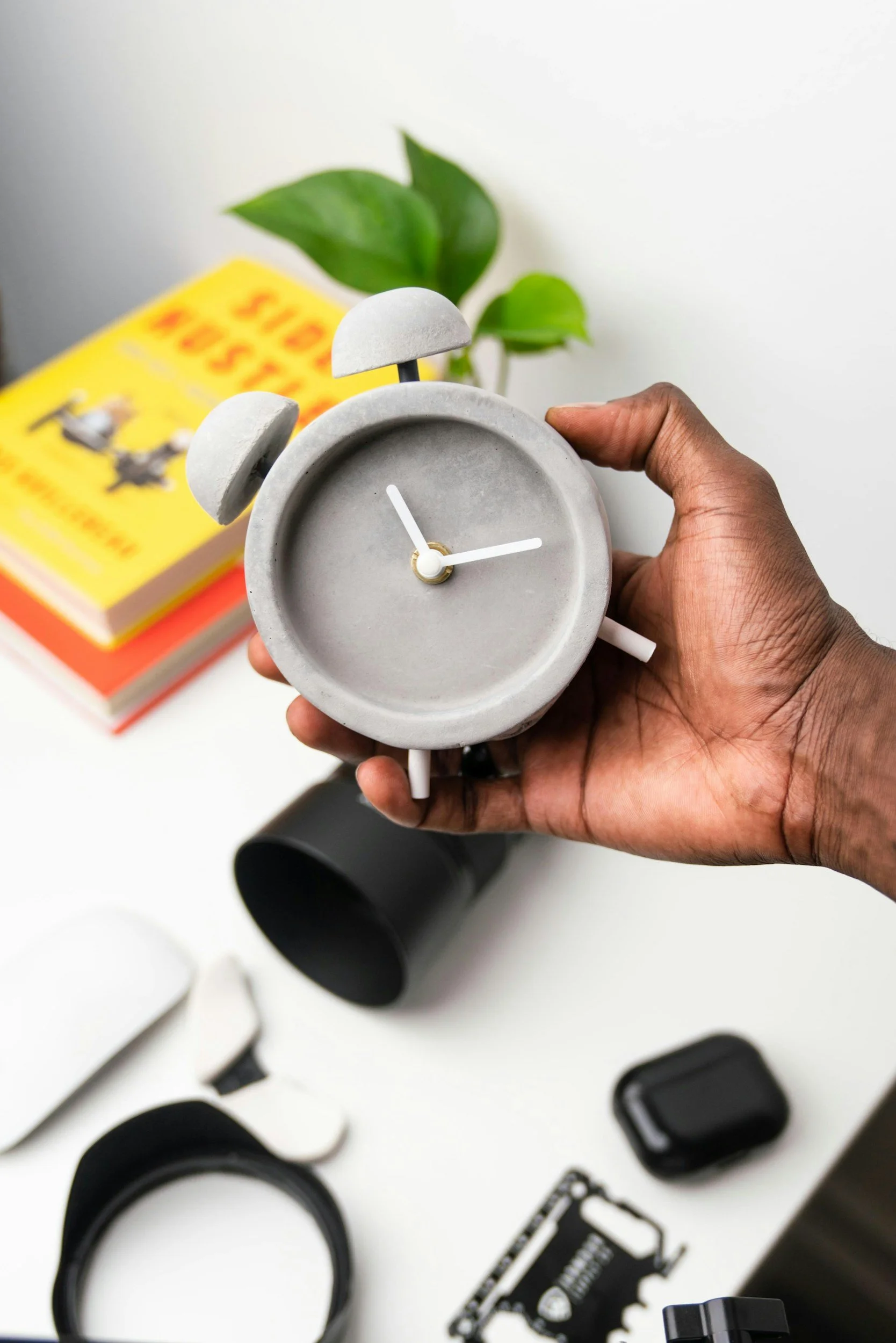
This helper keeps the energy up with short bursts of focused work. Set a timer and make it a game so big tasks feel manageable.
Examples:
15 minutes to remove expired medications
5 minutes to paring down shoes
10 minutes to thin out a bookshelf
The Runner
This person keeps your space clear so you can stay in decision-making mode. They physically remove:
trash
recycling
donation items
They can also relocate things to their proper home (dishes to the sink, tools back to the garage, etc). And bring you snacks and refills on your water!
The Detail-Oriented Doer
Do they find joy in the details? Put them to work with micro-sorting tasks to speed up your decision-making process.
Examples:
Have them separate your jewelry into piles by type (rings, earrings, necklaces, etc) for your review
Ask them to group materials for art mediums together (watercolors, knitting, etc)
The Heavy Lifter
Let them bring the project to you. They can carry bins, boxes, or drawers to the workspace so you can focus on sorting and decision-making without physical strain.
Example:
They bring bins labeled “Christmas” from the basement or old kids’ toys from the attic for you to sort
The Long-Distance Accountability Partner
With this trusted friend, set one goal per week—small and doable—and then root each other on with your own before and after pics, updates, and “help, I’m getting distracted!” messages! You can even do video chats to body double during the work.
Small and doable examples: your nightstand, the kitchen junk drawer, your hair products, outgrown kids’ clothes
The “Maybe” Bin Keeper
I don’t LOVE a maybe bin, but some people need that option. Organizers have different names for it, like The Indecision Bin, the Dilemma Pile, etc. It’s a place for you to keep items you’re stuck on for a predetermined amount of time. Sometimes that physical separation helps lessen the emotional attachment.
Enlist a trusted person to hold your Maybe box until a future date for review. If you decide to let go of the items, they donate or discard them. If you miss something, they return it without judgment or pressure.
The Tech-Savvy Helper
This is the person who can
schedule donation pickups
list items for sale online
research recycling options
coordinate junk removal
digitize old documents/photos
take pictures of items you’re ready to discard but want to remember

Know that Progress Matters More Than Perfection
Decluttering isn’t about having a perfectly organized home. It’s about creating a space that supports your life instead of draining your energy.
A home that’s easier to reset
A home where you can find what you need
A home that feels calmer, lighter, and more aligned with the life you’re living now
And most importantly—it’s about doing it in a way that honors your body and brain, your bandwidth, and your season of life.
Asking for help, assigning roles, taking breaks, and moving slowly so you don’t burn out--that’s working smarter, not harder.
Professional help from a neutral, third party with no attachment to your items (and zero judgment, always) is here if/when you need it. Book a free call to see if we are a good fit for your organizing needs.